If you’re looking for the heart of “Midtown” Raleigh, you’ll find it in North Hills. Known as a “city within a city,” this neighborhood has evolved from a quiet 1960s suburb into Raleigh’s premier destination. It’s perfect for those seeking high-end urban amenities without sacrificing the privacy of a traditional residential street.
While many urban Raleigh districts are shifting toward high-density towers and condos, North Hills remains defined by its single-family homes. This unique market structure directly impacts everything from your entry price to the long-term stability of your investment.
This guide explores what makes North Hills one of Raleigh’s most resilient markets. You will understand housing supply, pricing, accessibility, demographics, and long-term potential in North Hills Raleigh, so you can evaluate if the area fits your real estate goals.
Housing Market Overview in North Hills
The North Hills market currently shows strong demand and a limited housing supply. Buyers here often compete for a very small pool of listings, which maintains a “seller’s market” dynamic and requires quick decision-making when properties hit the market.
Current Market Profile:
- Ranking: #2 Neighborhood in Raleigh | #79 Neighborhood in North Carolina
- Median Sale Price: $919,000 (up approximately 11.7% year-over-year)
- Rental Market: Average rent for the area is roughly $1,714 per month.
A low number of available homes creates a competitive buying environment. Since North Hills is situated near major employment hubs like the Research Triangle Park (RTP), buyers prioritize this location despite inventory constraints, supporting long-term market stability.
Property Types and What Buyers Can Expect
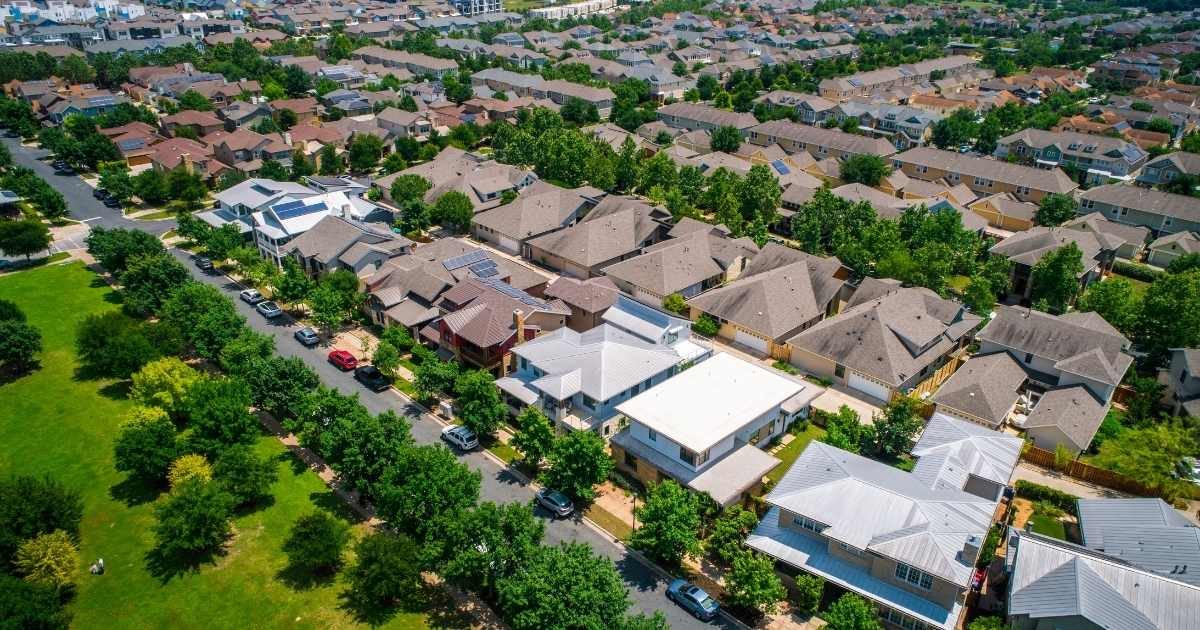
North Hills offers a remarkably uniform housing mix, consisting of only single-family homes. However, the “Innovation District” is slowly adding more housing types to its real estate market.
This structure supports long-term stability. Buyers who prioritize private outdoor space often choose single-family homes in North Hills over shared-wall properties in other neighborhoods. The absence of alternative property types also helps limit price volatility within the neighborhood.
However, single-family homes aren’t the most affordable for first-time home buyers. Those looking to buy a house on a budget often opt for condos. Their lower maintenance requirements also make them more affordable in the long run.
👉 Looking beyond single-family homes? Browse condos for sale in North Carolina on the Houzeo mobile app to track listings, compare options, and make offers from anywhere.
Pricing, Ownership Costs, and Buyer Positioning
Home prices in North Hills reflect its position as a premier residential area within Raleigh. Buyers should assess affordability alongside long-term value.
- Median Monthly Owner Costs: $2,099
- Homeownership Rate:1%
- Unemployment Rate:1% (Incredibly low compared to national averages)
- Homeowner Vacancy Rate:6%
- Rental Vacancy Rate: 48.9%
Higher ownership costs typically align with the area’s desirable features, such as proximity to top-tier retail and dining options. This pricing structure attracts long-term residents rather than speculative buyers, which helps maintain the neighborhood’s community feel.
Accessibility and Daily Mobility
Easy access to affordable transportation is one of the major highlights of North Hills. While buses offer multiple routes, residents here still rely heavily on personal vehicles.
- Walk Score: 23/100 (Car-Dependent)
- Bike Score: 52/100 (Bikeable)
- Transit Score: 31/100 (Some Transit)
The “car-dependent” rating for residential blocks attracts buyers who prioritize larger yards and quieter streets. Most families accept driving as part of daily life to gain more space and privacy. Consequently, garages and dedicated parking increase property values in the neighborhood.
👉 Want to learn more about the area? Explore this detailed guide on North Hills Raleigh to discover local housing trends and neighborhood features.
Crime and Safety Considerations
Safety conditions influence both buying decisions and long-term property values. Here are some crime statistics buyers evaluate before deciding to move out to this neighborhood:
- Homicide: 25 (↓4.2%)
- Rape: 170 (↑6.1%)
- Robbery: 373 (↑12.2%)
- Aggravated Assault: 1,401 (↑20.7%)
- Burglary: 1,490 (↓9.4%)
- Larceny-Theft: 8,402 (↑16.8%)
- Motor Vehicle Theft: 1,541 (↑34.6%)
Buyers often respond to these trends by prioritizing specific property features. For example, increased vehicle theft may lead buyers to prefer homes with garages or secure driveways. These considerations directly influence property demand and resale potential within the neighborhood.
Demographics and Community Profile
North Hills attracts a well-educated population, shaping both the lifestyle and the type of demand seen in the housing market. It also influences neighborhood expectations and community standards.
- Population: 35,548
- Median Age:4 years
- Household Size: 2.0 people
- Post-Grad Rate (25+):1%
- Male to Female Ratio:5% Male / 50.4% Female
- Median Household Income: $81,538
- Poverty Rate:4%
- Unemployment Rate:1%
A well-educated, employed population supports greater affordability and consistent housing demand. For example, professionals in industries like healthcare or technology often seek affluent neighborhoods with similar demographics. This creates a buyer pool that values property quality and long-term investment stability.
👉 Want to check out houses in this neighborhood? Browse through homes for sale in North Hills NC, on Houzeo, America’s top home buying website.
What Makes North Hills Unique for Buyers?
North Hills is a meticulously planned urban ecosystem. Buyers are attracted to its “15-minute lifestyle”, where buyers can access high-end employment, gourmet dining, and essential services without leaving the district. Here is what separates North Hills from other Raleigh submarkets:
1. The “Modern Midtown” Dining and Retail Core
North Hills serves as Raleigh’s premier social hub. The area features many established eateries, such as Cowfish Sushi Burger Bar, Yard House, and bartaco, as well as new luxury additions, such as the RH Gallery rooftop restaurant. This concentration of activity creates a “park-once” environment where daily life and social outings intersect seamlessly.
2. Essential Retail Anchors
Residents have immediate access to a flagship Harris Teeter and a large-format Target outlet. This “walkable utility” is a proven driver of long-term property value and sustained buyer demand.
3. Midtown Park: The Community Heart
At the center of the Park District is Midtown Park, a multi-functional green space that acts as the neighborhood’s “outdoor living room.” The park hosts a year-round calendar of events, including fitness classes, farmers’ markets, and outdoor concert series. Its proximity to the Innovation District’s nature trails and greenway connections appeals to health-conscious professionals.
4. A Sophisticated Four-District Structure
North Hills is organized into four distinct districts, each serving a specific purpose:
- Main District: High-street retail and entertainment.
- Lassiter District: Upscale boutiques and luxury apartments.
- Park District: The residential and wellness hub.
- Innovation District (NHID): A 33-acre expansion featuring creative office spaces, nature trails, and “Makers Alley” for local artisans.
Key Takeaway
With over $1 billion in institutional investment, North Hills has transitioned from a shopping center into a recognized urban destination. The booming tech and healthcare sectors provide a level of market appreciation potential that few other Raleigh neighborhoods can match.


