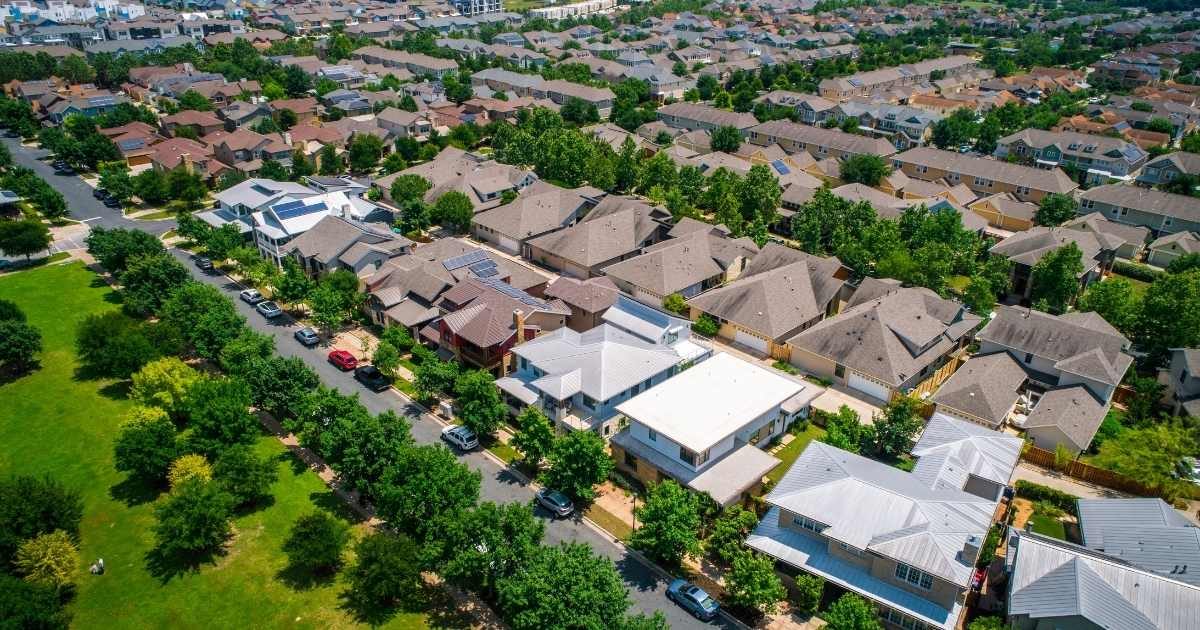

Malang, a vibrant city nestled in East Java, Indonesia, is steadily embracing technological advancements to improve the lives of its citizens. This strategic move towards a smarter, more efficient urban environment is yielding tangible results, shaping a future where technology plays a vital role in daily life. This article delves into the exciting progress of Smart City Features (Malang), showcasing how innovative solutions are being implemented to address various urban challenges.

Key Takeaways:
- Malang’s smart city initiatives are focused on improving infrastructure, citizen services, and environmental sustainability.
- Several key projects demonstrate a commitment to using technology for a better quality of life for all residents.
- The city’s smart city strategy involves partnerships with various stakeholders and is focused on long-term sustainability.
- Malang serves as a model for other Indonesian cities seeking to adopt smart city strategies.
Smart City Features (Malang): Transportation Solutions
Malang’s burgeoning population necessitates an efficient and sustainable transportation system. The city is actively implementing smart transportation solutions, including real-time traffic monitoring systems, intelligent traffic management, and the development of integrated public transportation networks. These initiatives aim to reduce congestion, improve travel times, and promote the use of public transport, minimizing the environmental impact of private vehicles. The data collected from these systems is being analyzed to optimize traffic flow and identify areas needing improvement in infrastructure. We are also seeing the introduction of smart parking systems, guiding drivers to available parking spaces and minimizing wasted time searching for parking.
Smart City Features (Malang): Environmental Sustainability
Environmental sustainability is a key pillar of Malang’s smart city strategy. Initiatives include smart waste management systems, utilizing sensors and data analytics to optimize waste collection routes and improve recycling efforts. The city is also investing in renewable energy sources, exploring options such as solar power and promoting energy efficiency in public buildings. We believe these projects not only benefit the environment but also create economic opportunities and improve public health through cleaner air and a more sustainable ecosystem. The use of smart grids is also being explored to manage energy consumption more effectively.
Smart City Features (Malang): Citizen Engagement and Public Services
Effective citizen engagement is crucial for the success of any smart city initiative. Malang is developing digital platforms and mobile applications that allow residents to access information about city services, report issues, and participate in decision-making processes. This approach enhances transparency and accountability while allowing the city government to respond more efficiently to citizen needs. These platforms are designed to be user-friendly and accessible to everyone, regardless of their technological literacy. We strive to use technology to foster a sense of community and encourage active participation in local governance.
Smart City Features (Malang): Smart Infrastructure and Safety
Smart infrastructure plays a vital role in enhancing the safety and efficiency of Malang’s urban environment. The city is employing smart street lighting systems, using sensors to adjust lighting based on real-time needs, resulting in energy savings and improved safety at night. This is complemented by the installation of smart surveillance cameras to improve security and monitoring of public spaces. The data collected from these systems provides valuable insights for resource allocation and decision-making regarding safety and infrastructure maintenance. Us collaborating with various technology companies ensures the implementation of cutting-edge technology. By Smart City Features (Malang)